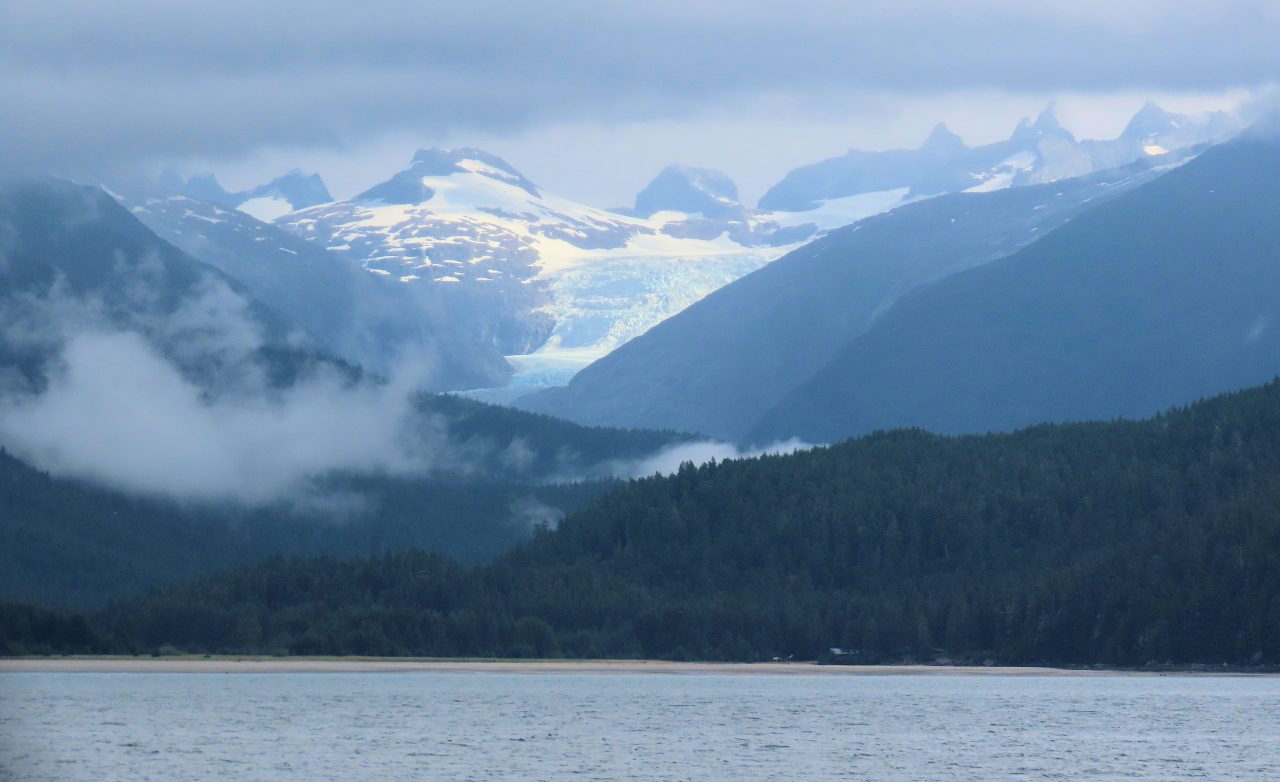
Flora and Fauna in Setting

            The terms flora and fauna refer to the plants and animals of a particular place at a particular time and are dependent upon the specific region, climate and time period. These environments could be grasslands, redwood forest or savannah.

            Native flora refers to those plants that are to the area. They grow without human help or cultivation. Another category is horticultural flora, plants grown for food or consumption. One example is the giant redwood tree found in Northern California and can range in age from 800 to 1500 years old. A variety of birds and animals life there. 

Another type of plant is found in the deserts of Angola,  one with large leaves that wilt during dry times and swell when there are rains.

            Likewise fauna falls into similar categories. Animals live above and under water, in deserts and in rainforests. They can be tiny creatures like protozoans and large like elephants. They exist in artic tundras and in coral reefs. Specific types of birds must have environments conducive to their life. Same is true for all animals, big and small.

            Your task is to define a setting by its flora and fauna. Make two lists, one for each. If necessary, research what would grow/live in the environment that you are considering. After your list is complete, think of a way that the elements influence story. For example, tusk hunters kill elephants in order to make money to survive. Squirrels remove nuts and fruits from trees before humans can harvest them. Deer eat flowers and leaves.

            Write a story in which flora and fauna play an important role.

            Have fun with this one.

Rebellion

            Imagine a scenario where the citizens are upset with the ruling power. They’ve been tortured, imprisoned, forced to work in unsafe conditions and have little to eat. There is no hope for improvement as long as the current leaders are in power.

            Attempts to negotiate have repeatedly failed. Rumor has it that an assassination is in the works, so armed military patrols the streets. It’s a dire situation.

            Many stories have been written using this scenario as a base for sowing discord. Given a chance to write the story, how would yours differ?

            Your task is to develop a scene in which rebellion is looming. Is it coming within the ranks of the aristocracy or from the peasants? Is it in a single city or throughout the empire? Who is leading the rebellion?  Disenfranchised royals? Defecting soldiers?

            What is the desired result and who would step up and be in charge assuming the rebellion is successful? What changes would be enacted, and would those be acceptable to all?

            How many would die and what weapons would be used? Does magic come into play?

            There are many things to consider to make this story stand out.

            Have fun with this one.

Crimes of Passion

            How far would you go to get what you want? Would you lie to a friend potentially destroying the relationship? Steal from a store knowing that if you got caught, you could go to jail? Date a married person even though it would end the marriage and destroy a family? Cause the overthrow of a government or CEO of a company?

            When emotions run high people often behave in uncharacteristic ways, putting themselves and others in peril. Acting to satisfy an emotional need could lead to crimes of passion. Doing and saying things that put ourselves and others at risk are caused by obsessions, strong emotional responses that overwhelm rational thinking.

            Your task is to write a story in which your character commits a crime of passion. Begin by creating a profile of your character, recording the things that she’s interested in, things she does, the way she acts. Next choose the one that can be expanded into an obsession, a desire so strong that she will ignore warning signs.

            Narrative is important, but so is dialogue, for through conversations personalities are revealed. Tension through danger drives the story.

            Have fun with this one.

Searching for Love

            What would you do to find the love of your life? Would you hang out in singles’ bars or join a singles’ club? If a friend tried to set you up with a blind date, would you go? Perhaps you’d sign up for one of those online matching sites? If you heard about an event only for singles, would you go?

            What would you wear? Your normal every-day clothes or a fancy outfit? Hiking boots or polished dress shoes?

            Before the date, what preparations would you make? Haircut, pedicure and nails? Massage or acupuncture? Visit a mystic to hear what might happen in the future?

            Your task is to imagine that you are writing a love story. Work out the details of your character. Think beyond the physical. Consider socioeconomic, education completed, job status, living conditions and personality. What does your character want from a partner? A one-night stand or a long-term marriage? Children and pets? Common interests or differences so as to learn from each other?

            Once you’ve done all the background work, it’s time to write. Establish setting, remembering that place and time period are major considerations. Include narrative and dialogue supported by action. Will this be a love-at-first-sight story or will there be conflict before love occurs?

            Have fun with this one.

Tell Me a Story

Storytelling requires imagination to create worlds and people that add interest, depth and tension. Gauging the audience is one way to determine which elements to emphasize. Young children love a bit of tension but want happy endings. Teens love violent and potentially deadly encounters and don’t mind if a minor character dies along the way.

Recall a time when you were asked to tell a story. What popped into your mind? A fairy princess and a dragon? A fierce warrior and an evil wizard? Did the story begin with a placid description of the scene and major characters? At what point did the quest begin and who was the hero on the quest?

Your task is to write a story that you might one day share with someone. Begin by defining the audience by age and preference for type of story. Then design the setting and establish the primary characters.

Next is the call to action, the point when someone, perhaps a queen, sends the hero out to conquer or retrieve something that endangers the kingdom or whose disappearance alters the fate of the world as it is. Along the way challenges arise. What are they? How does the hero overcome each? Is the hero hurt? If so, how does this impact her ability to continue the pursuit?

Is the hero successful? Not all heroes are, but when they fail, sometimes they are still honored and respected simply for the act of trying. What is the prize and does the hero earn it?

Have fun with this one.

Speed Dating

Speed dating became a fad a few years ago and has been featured in comedy shows and movies. A bunch of lonely people show up at a predetermined time and sit at assigned places around the room. A potential partner sits across from them. A times is set and the two are given anywhere from three to eight minutes to decide I there is any interest.

The technique is also used at writing conferences to give participants access to a variety of agents. You’ve got three minutes to sell your book. Obviously a prepared speech is necessary to keep you from bumbling about.

Imagine that your character is going to a Speed Dating event. What type of event is it? Who is going to be there? How nervous is the character? How much does she prepare beforehand? Does thought go into appearance, such as clothing to be worn?

If you haven’t written comedy before, now is your chance to dabble in the genre. All kinds of things can happen, such as someone bumping into the table and knocking a glass of water into a lap. Or arriving under the influence. Or stuttering due to anxiety.

Your task is to write the story. Begin with the character finding out about the event, either through a friend or an advertisement. Take us through the entire stage as the character tells others about it, gets advice, decides what to wear, arrives, meets people, leaves.

Have fun with this one.