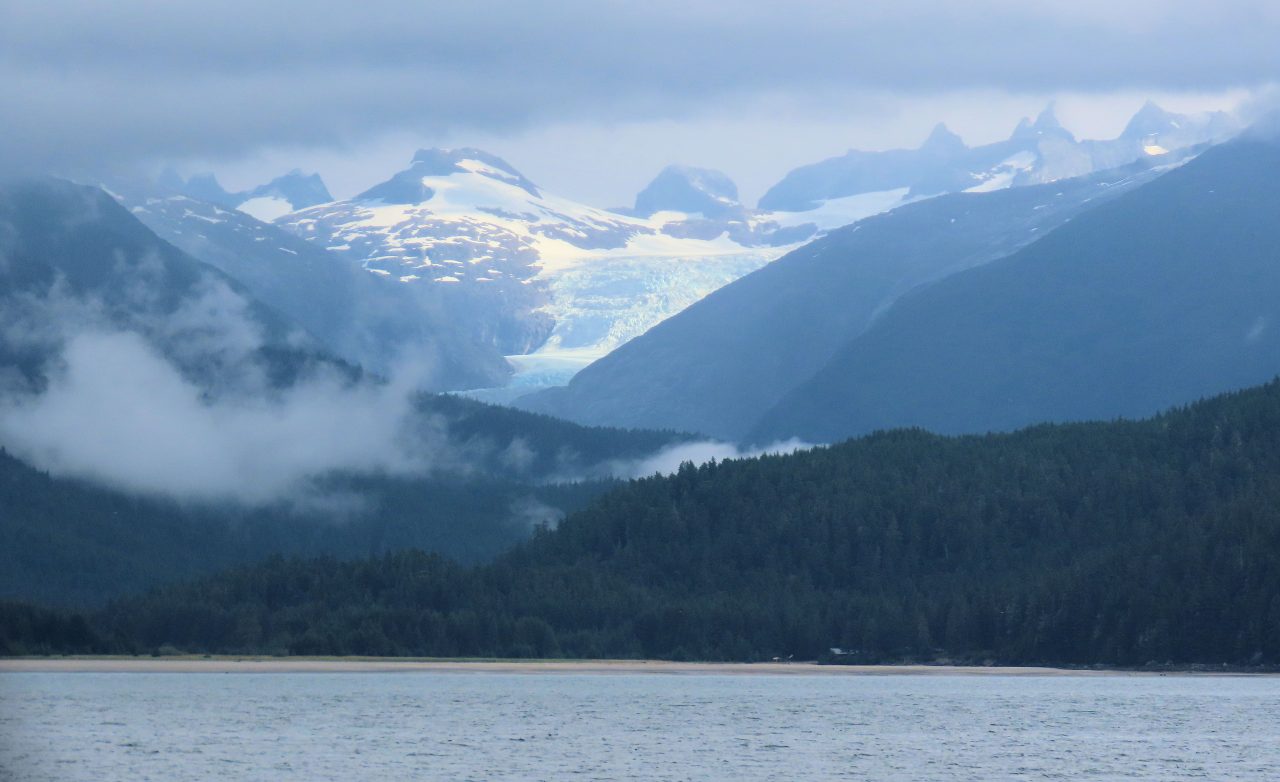
The Importance of Setting

Your story takes place in a very special environment, so choose carefully. Setting controls the things that your character sees, hears and does.

If it is a time in the past, you might have to do some research. What does the city/country look like during that time period? How do people speak? What slang words and sayings were popular then? Did technology exist?

For example, I remember that my mom’s first washing machine was a ringer style, meaning that once the clothes were washed, they had to be passed through the ringers one by one in order to remove as much water as possible.

What if you choose a future world? The same rules apply. Map out the dimensions of your world. Draw in the ports, mountains, cities both large and small. If there are boundaries between countries, make them clear. Think about the shapes of buildings. Are they all high-rise or has some disaster occurred that destroyed everything and so construction is primitive? What types of technological devices do they have? If smart phones, what can the phones do in your world that they cannot do now?

I recently read a futuristic story in which the characters used watches to communicate. At the time the story was written, that would have been considered new technology, but it isn’t today. Think outside the box.

Part of the setting would also be the threat level. Does your character live in a dark time in which danger lurks in every corner? Or is it a peaceful seaside village filled with happy, complacent people?

I find it best to write it down. Make a list. Even collect photo images and put them all in a binder. The advantage of using a binder is that you can store all your information in one place and keep it handy. Refer to it often so as to remain consistent in your story.

Have fun with this one.

Character description

Have you ever sat down and prepared an outline that describes your characters? Thought about their likes/dislikes? Where they’ve been and what types of things they like to do?

If you haven’t, the time to do so is now. Why? It’s important to know what our characters like and dislike in order to understand what motivates them to behave in certain ways.

Your task is to create a list for each character in your story, whether a main character or a subordinate. Include where they are from, family ties, mannerisms (such as head toss, twiddling fingers) and friends.

Write out some sample dialogue that shows the differences in the ways your characters speak. Do they have an accent? Use contractions or use more formal language?

Upon up a few YouTube videos and listen to what word choices people use. Each of us has a different pattern and rhythm to our speech. Create dialogue that shows those differences.

Lastly  look through websites and find pictures of where your characters live, how they dress, places they might visit.

Put all this in a binder so that it is easy to access.

Now, begin working on your characters!

Have fun  with this one.

Journeys

Throughout our lives we have experienced many different kinds of journeys. Some are internal, such as exploring personal beliefs, while some involve travel around the country. Most enrich our lives, either through things we have seen, people we have met or observations that impact us due to their unusual nature.

Everyone travels, although the distances that we cover vary depending upon time and money.

Some of us only visit relatives. We might drive overnight to get there and crash on floors while we are there, but we get to spend time with them, learn from them, be with them.

Some of us are lucky to travel further from home. We hop on planes and dash across the country or drop into other countries. We walk about, seeing things that we’ve dream about.

Your task is to write about a journey that you have experienced. Think of the sights, sounds, feelings that might have changed you. Use details to enrich the story.

Add in characters that you saw in order to add depth.

Have fun with this one.