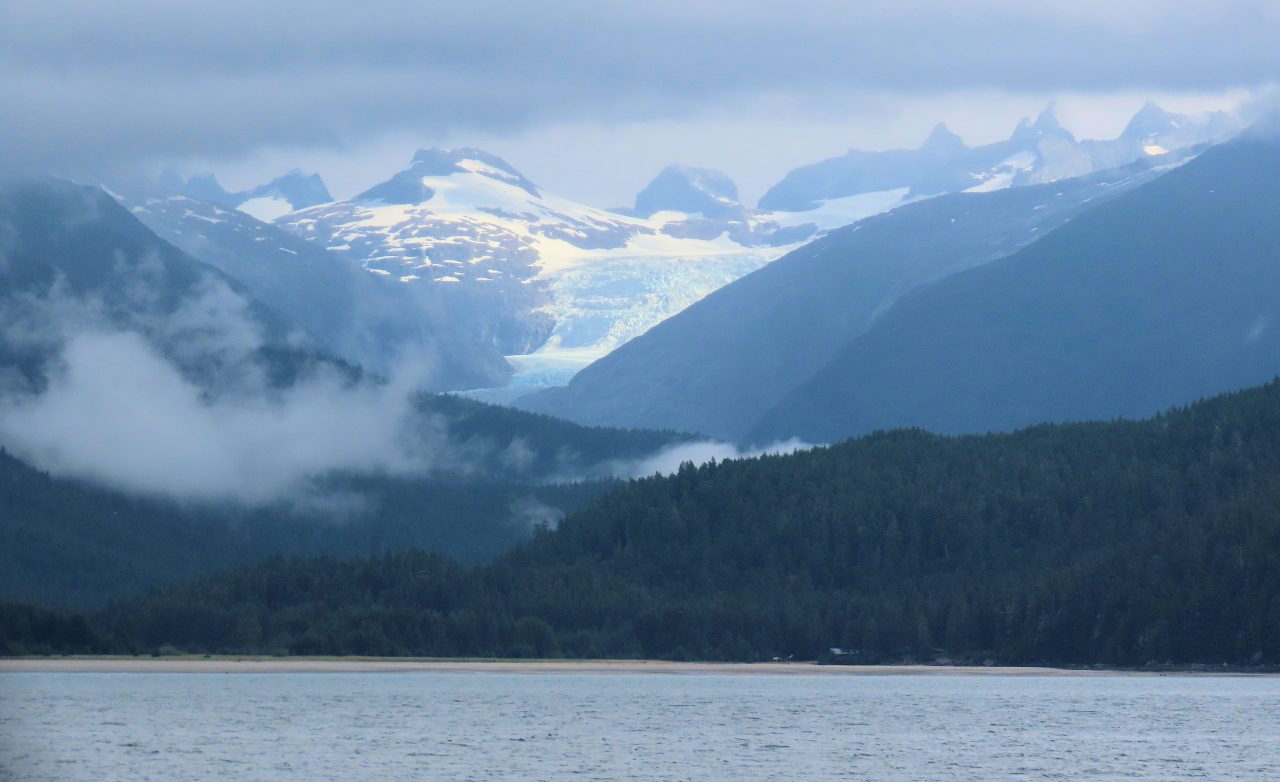
Fruitless Search

            Have you ever spent a great amount of time looking for something only to find that it wasn’t there? What emotions did you experience? Anxiety, frustration or perhaps even relief if what you searched for wasn’t something you really wanted to find.

            Every writer knows that their protagonist has to want something from the onset of the story. The goal is to find it, buy it, unveil it, at all costs. During the search, the character goes through a series of trials, some benign, others quite dangerous. The vast majority of stories end with success. Whatever it was that the character wanted at the beginning has been secured.

            But what would happen, how would the story change, if instead of achieving his goal, the character fails? If he was optimistic as he set off on his search, what is he feeling at the end? If he was pessimistic at the onset, not really wanting it but setting off on the quest anyway, is he relieved when it eludes him?

            Your task is to write the story of the dead end. Your protagonist wants something so badly that she immerses herself in the search. Trials appear that slow her down. At the end, she cannot find that which she desired.

            Description is important, but to be able to understand what your character wants, include dialogue. He has a companion on his journey, or she meets up with friends and shares her exploits.

            Have fun with this one.

Hero’s Journey, Revisited

Once before we thought about the Hero’s Journey and how to put it into play in our writing.

If you still have questions, pick up a copy of Nevada Barr’s Destroyer Angel.

The heroine, Anna Pigeon, is a park ranger on vacation with friends in the woods of Minnesota. Anna floats down river, relaxing as she looks about her. Suddenly she hears a sound that is unexpected.

In just a few pages, we have established the heroine’s natural world, the forest and camping with friends, and then given her the call to act.

If she chooses to answer the call, she’ll beach her canoe and investigate. If she decides to ignore the call, she’ll continue floating about.

The hero’s journey is not an even uphill path. So it is for Anna, who must time and time again face challenges, come up with plans, and then execute.

Because I don’t want to give away the story, that’s as much as you’re going to get.

The important concepts are the first two steps: establishing the natural world, be it in a different world, in the past or contemporary, and people it with friends and coworkers. Secondly there must be some sort of impetus, something that wakes up the hero and challenges the hero to choose between two different paths.

For an exciting story, our hero chooses to come to the rescue. To seek the golden chalice, rescue kidnapped friends, destroy an enemy battleship.

Your task is to write the first two stages of the hero’s journey.

Create a character or choose one that you would like to develop further. Make a list of those things that are in that character’s world. You might not use them all, but it gives you a variety of choices from which to pick.

Now make a list of potential challenges or risks that the character might face. Choose only one or two, but make sure that one of them is compelling enough to spur the character to action.

Begin writing. Allow the reader to step into your character’s world. Let us hear the birds singing, the wind whispering in the trees, the children’s voices in the playground. Fill our nostrils with scents of cooking, broken branches, the damp of rotting leaves.

Keep in mind that it does not have to be an idyllic world. In fact, it can’t be if our hero is going to have to stand up and get going.

And that’s what comes next. The call. Somehow the character must become aware of a challenge, such as a home invasion, missing person, stolen item. Like a detective, then the character is spurred on to action.

When you finish, go back and reread. Look for places where you can strengthen the demand.

Have fun with this one.