Weather Threat

            Almost every day we hear or read a story about a damaging weather event. Recently there was a huge fire in the Los Angeles area that burned thousands of homes and business. There was flooding in a North Carlina community that wiped out roads and ravaged the environment of a once-beautiful tourist spot.

            Sometimes authors include weather in a story, but often as an aside. The sun was shining or it poured for days.

            Your task is to write a story in which a major weather event occurs, which alters the pace and direction of the story.

            Have fun with this one.

Weather Events

Imagine a dense fog that obliterates your ability to see the house across the street. Or driving through the curtain of mist. How you’d need to use your windshield wipers to remove the moisture so you can see.

Keep in mind that many people live where it snows and have to shovel their driveways, brush snow off their windshields and drive on slippery roads.

Others live where there are tornadoes or hurricanes. Coming home from a shopping trip, their car might get swept away by roiling water or a limb might fall and crush the front end. A tornado might destroy houses and hurricanes might wash away miles of beach.

Your task is to reread a section of your story, looking for places where descriptions of weather could influence behavior, actions, and thoughts. Write in elements that show how your character reacts, what he thinks and how he feels.

Have fun with this one.

Winter Storms

            Some winters are rather mild: little precipitation and temperatures not too extreme.  When it’s like this, we can walk outdoors, work in the garden, go hiking in a nearby park.

            Then there are winters in which there’s nonstop rain, tornadoes, hail and snow that grows deeper by the day.

            It’s frigid indoors and out. Even when bundled up from the tops of our heads to the tips of our toes, we freeze. We put electric blankets on our bed of layer so many blankets that the weight presses down on our stomachs.

            Some days we don’t leave the house. The roads are slick with ice or flooded with still falling rain. Snow is piled up over the tops of cars and streets are impassable. Trees whose roots are loosened by rain, topple over. Winds blow and howl like a banshee.

            Winter storms impact what we can do and how we go about doing it.

            Your task is to write a story in which a storm plays a major role.

            A good place to begin is by narrowing down what type of storm happens. Choose something familiar. If you live in tornado alley, then a tornado might be the first choice. If you are plagued by downed power lines whenever a stiff wind blows, then include that in your story.

            Make the effects extreme in order to build tension.

            Have fun with this one.
Bad Weather

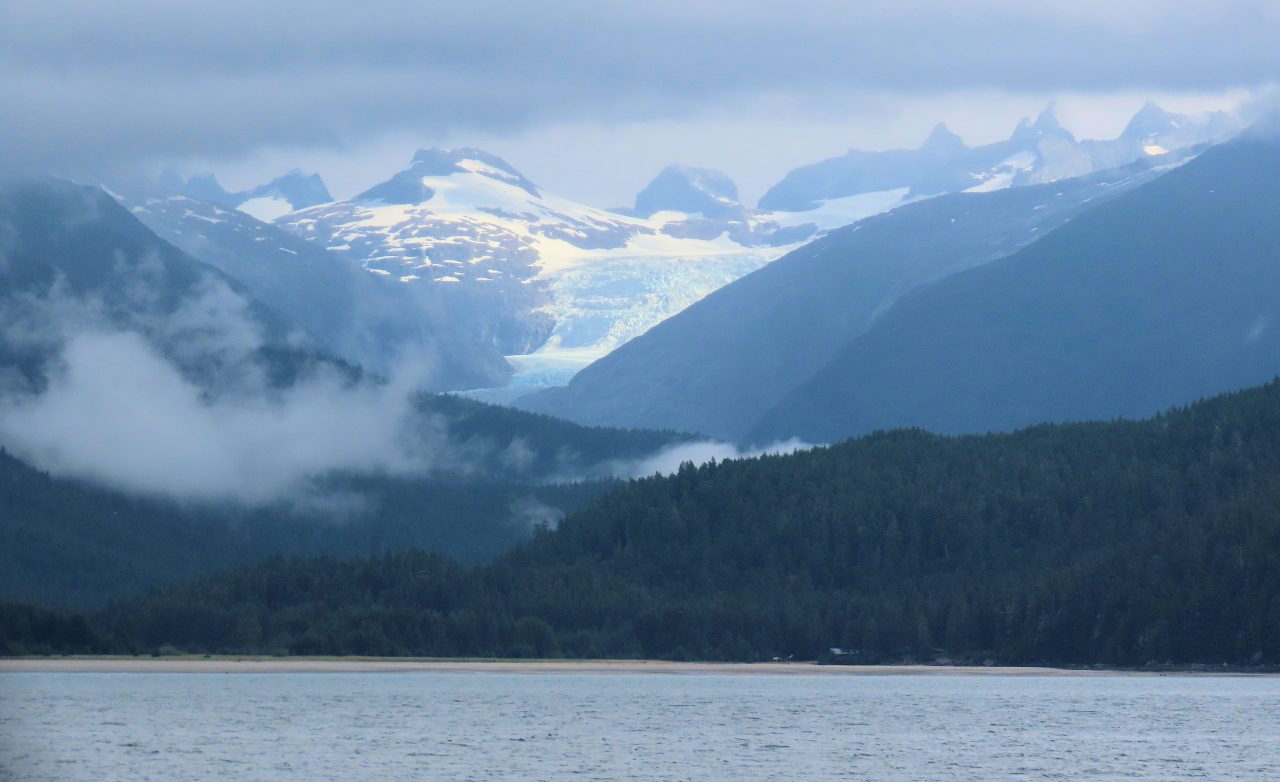
            Try to recall a time when you wanted to be somewhere, or go somewhere, but a bad storm was coming. You are afraid to leave as you might get caught in it, but you also want to get home as soon as possible. You might pack the car, listen to every weather report, all the while trying to make the right decision.

            Do you stay or do you go? What happens either way can make for an interesting story.

            Your task is to write a story in which your character is facing bad weather that has the potential to affect travel plans.

            Be sure to use lots of dialogue as this is the stuff that can lead to heated arguments. Once the decision is made, bring on the storm and let the emotions play out. Perhaps tornado forces them to hide in the basement, or the snow storm catches them without chains and therefor they slide off the road. Perhaps there are  flight delays that strand them at an airport where tempers flare.

            All kinds of exciting things can happen.

            Have fun with this one.

Sweltering Conditions

            Summer is upon us and temperatures are rising. Lucky people have air-conditioning or can seek shelter in a cooling spot. However, not everyone is blessed with ways to cool off.

            Free-standing fans provide limited relief if a person sits right in front of it, but do little for a family of four. Or for a classroom full of steaming children or a church filled with parishioners.

            Imagine the stories that arise from being overheated. Fights break out because tempers rise. Tears are shed. Clothing is stripped off. Hoses spray cooling water, but not when there is a drought. People might take a drive if their car’s air works or go stroll through a nearby shopping mall.

            These are all temporary solutions. What happens when the electricity goes out or people have to return to the overheated offices, classrooms and homes?

            Your task is to write a scene in which the heat is overwhelming. Begin with the setting. Are your characters on the road, at work or at home? How do they cool off? How does the heat impact relationships?

            Use a combination of narrative and dialogue, remembering that tensions are going to arise. There might be angry words tossed about or actual fisticuffs.

            Have fun with this one.

Pestilence and Famine

            Throughout history periods of devastation have arisen that threaten the livelihoods of those who live in that area. Consider the affects that floods have when they sweep in and swamp the land, or hurricanes that snap trees in half and rip off roofs.

            What happens when insects fly in and eat plants down to the nubs? Complete crops are ruined, robbing farmers of any sort of income. On top of that, there is nothing to eat and so people starve. The link between pestilence and famine is so strong that the two cannot be separated.

            Your task is to write a story in which an entire region is destroyed by some form invasion. You might want to first do some research to determine which insects cause the most damage, which are most likely to appear in your choice of setting. Find out what plants they eat and what, if anything, they leave behind when they move on. Make note of what types of weather events invite the insects in and what makes them move on.

            Once you have the necessary information, construct your story. Begin with the “normal” world: what life is like when all is going well. Then bring in the pests and show us what happens through site and sound. What does your character do and think? Are there any means she can take to reduce the damage? Show us the results when the event is over. Include what the farmer is doing as she surveys the damage.

            Have fun with this one.