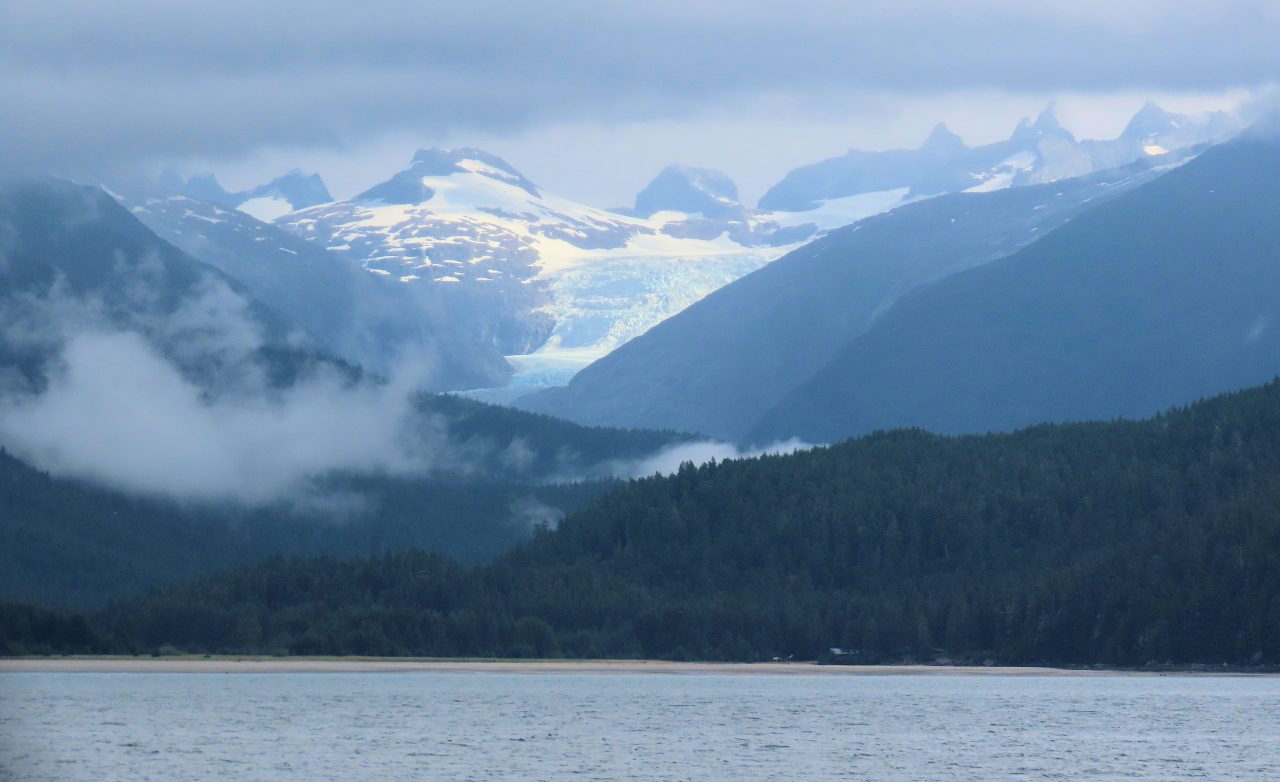
Weather Events

Imagine a dense fog that obliterates your ability to see the house across the street. Or driving through the curtain of mist. How you’d need to use your windshield wipers to remove the moisture so you can see.

Keep in mind that many people live where it snows and have to shovel their driveways, brush snow off their windshields and drive on slippery roads.

Others live where there are tornadoes or hurricanes. Coming home from a shopping trip, their car might get swept away by roiling water or a limb might fall and crush the front end. A tornado might destroy houses and hurricanes might wash away miles of beach.

Your task is to reread a section of your story, looking for places where descriptions of weather could influence behavior, actions, and thoughts. Write in elements that show how your character reacts, what he thinks and how he feels.

Have fun with this one.

Thanksgiving

            There are times to celebrate all the good things that have come our way. Times to rejoice, to laugh, to pray, to give thanks. To remind ourselves That we might have more than others, and to be grateful for what we do have.

            Thanksgiving Day has become a huge commercial enterprise. There are gift cards, decorations, themed toys and gifts, cookies in the shape of turkeys and pilgrims. Schools have Thanksgiving celebrations where students make pilgrim costumes and share themed candies.

Commercials show happy families welcoming guests. For many, television mirrors their family life. But, for others, family gatherings are times of extreme stress and so they choose to eat alone.

            Your task is to write a story in which Thanksgiving plays a major part. Your character might be the type who celebrates alone, in which case you need to show how this is handled. For example, does she cook a turkey breast for herself? Volunteer at a local food bank? Go to a restaurant that serves a typical dinner?

Or does your character celebrate with others? That time doesn’t have to be free from stress. In fact, to make the story more interesting, a bit of high drama might be fun.

Remember to include emotional details so that readers walk in the minds and hearts of the characters.

            Have fun with this one.

Abandoned Pet

            We’ve all seen starving dogs and cats wandering through our neighborhoods. We look, wondering if they might live in a nearby house but accidentally got away. And will soon be reunited with their loving owner.

            But what happens when that same pet is still wandering the next day? And the one after that? Maybe even a week later?

            What do you do?

            The temptation might be to keep driving by, pretending that the animal isn’t really lost. Or perhaps if you’ve taken a liking to the pet, you might try to lure it into your car or follow you home if you’re walking.

            Your task is to write a story in which you see what appears to be a lost or abandoned animal. Your character can be a softie who rescues the pet, or a grouch who chases it away from her house.

            Don’t begin with a detailed description of the pet, but rather work in the details slowly, one at a time. Bring in tension by making the animal less-than-perfect. It might poop in the house, claw the sofa or chew the expensive shoes.

            You can also through in a bit of comedy, for we all enjoy those videos of cats squeezing into tiny boxes and dogs trying to swallow all the water from a hose.

            Have fun with this one.

Developing a New Character

            It’s easy to reuse characters that we know and love. We’ve already established who they are, what they like and don’t like and the things they do. We’ve created friends, jobs, homes. And enemies as well as tension points.

            Your task is to create an entirely new character.

Do some online photo research by putting in age, skin color and gender. From that range of photos, choose one that seems the most likely to star in your next story.

Expand your search to include things they might wear, from top to bottom.

Add a quirk to their appearance. It might be a sprinkling of freckles or an entire constellation of them. Perhaps there’s a mustache turned up at the ends or maybe a hint of beard. Short hair, long, or none at all. Blonde, bleached blonde, tinted with blue or shaven completely off.

Choose height. Do you want your character to tower over others in an intimidating way or to be short and diminutive? Heavy or wiry? Muscular or flabby? Short neck or long? Wide square shoulders or droopy ones?

Next come up with about three likes and three dislikes. For example, hates bacon but loves rap music. Loves boots but hates the smell of coffee.

The more unusual the character, the more interesting the story will be.

Have fun with this one.

Creative Nonfiction: Important Events

Creative nonfiction requires observation. It is more concerned with what is being observed than with imagination. When we write stories from our life, we try to reconstruct events, to the best of our ability, as we remember them happening.

The catalyst for writing does not have to be a tragic loss. What is necessary is to explore the significance of specific events and our reaction to them. Readers want to know how the event affected the writer and whether or not those effects still permeate the writer’s life well after the conclusion of the event.

To find things to rewrite, begin by skimming a newspaper or informational website. Stop when a headline speaks to you. Read, looking to see what resonates with you. If nothing does, then search some more.

Your task, after reading an interesting article, is to write. You might begin with a free write in which you put into words anything that comes to mind.

Go back and search for information that raises specific questions. Imagine scenarios that you could expand into story.

Write a simple sketch of the story that comes to mind. Reread, looking for places where you can add detail and emotion. Reread again. Add more detail.

Have fun with this one.